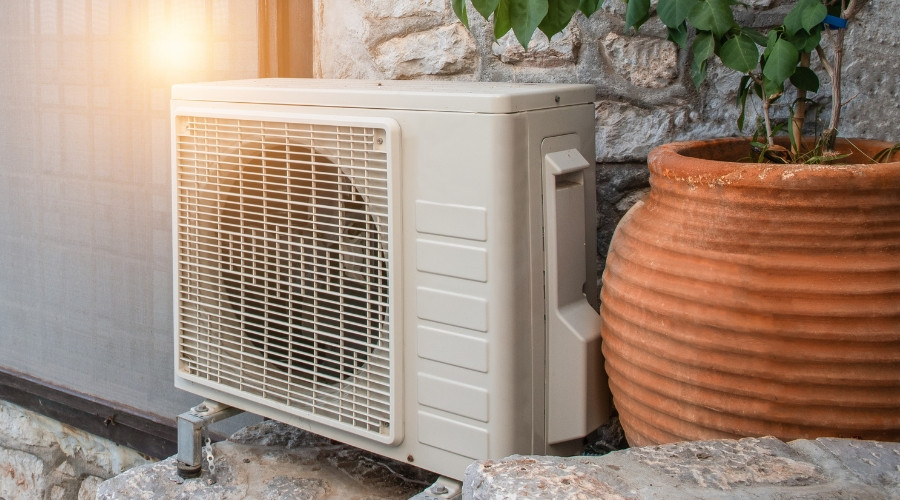
Heat Pumps Explained
Looking for a smarter way to manage comfort in every season? Installing a heat pump can consolidate heating and cooling into a single, efficient system. This overview explains how a heat pump system works, compares ducted heat pump and ductless heat pump options (including mini-split heat pumps), outlines the benefits of heat pump installation, and highlights early signs that indicate a need for heat pump repair.
What Is a Heat Pump?
A heat pump is an HVAC appliance designed to move heat rather than create it through combustion. In heating mode, the system extracts available heat from the outdoor air and transfers it indoors; in cooling mode, the process reverses, carrying indoor heat outside in the same manner as an air conditioner. Because a single heat pump system can both heat and cool, many properties replace separate furnace and AC units with one coordinated solution.
Two primary configurations suit most layouts. A ducted heat pump connects to existing ductwork, providing whole‑home air distribution through supply registers and returns. A ductless heat pump—commonly known as a mini-split heat pump—uses compact indoor air handlers in selected rooms for zoned comfort without the need for ducts. Both formats rely on the same refrigerant‑based transfer of heat but differ in how conditioned air reaches living spaces. With correct sizing, placement, and controls, either approach can deliver steady temperatures, quieter operation, and measured energy use across the year.
Benefits of Installing a Heat Pump
 A well‑planned heat pump installation can streamline comfort and simplify maintenance. By transferring heat instead of generating it from fuel, a heat pump typically operates in smoother, longer cycles, which helps reduce temperature fluctuations and mechanical strain. Many households also prefer the single-system approach—one outdoor unit and matched indoor components—over maintaining separate pieces of equipment for winter and summer use.
Flexibility is a key advantage. A ducted heat pump integrates naturally where ducts are already in place, while a ductless heat pump excels in homes where installing new ducts would be disruptive or cost‑prohibitive. A mini split heat pump also allows for zoned control: rarely used rooms can be set back while main living areas remain comfortable, helping to align output with actual usage. In cooling mode, multi-speed compressors and fans can support improved humidity control. In heating mode, inverter technology commonly provides gentle, consistent output compared to older on/off systems.
Space and service considerations also improve. Consolidating equipment can reduce crowding in mechanical areas and simplify annual service schedules. When paired with sensible air sealing and insulation, a modern heat pump system can maintain reliable comfort while keeping day‑to‑day operation predictable—without the complexity of managing separate heating and cooling units.
Signs Heat Pump Repair Is Needed
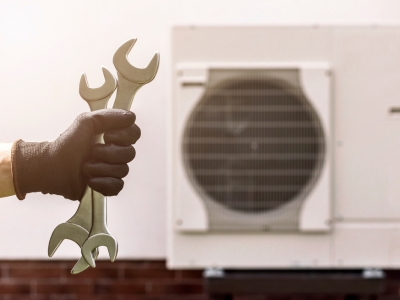 Like any mechanical equipment, a heat pump occasionally signals trouble before a full failure. New or persistent noises—grinding, squealing, rattling, or pronounced buzzing—may indicate worn bearings, a failing motor, or loosened fasteners and should be evaluated promptly for heat pump repair. Short cycling (frequent on-off operation), nuisance breaker trips, or lockouts can indicate control faults, thermostat issues, or airflow restrictions that require professional diagnosis.
Performance changes provide additional clues. Weak airflow from registers or indoor heads can be traced to a clogged filter, an obstructed indoor coil, a blower problem in a ducted heat pump, or duct limitations upstream. Uneven temperatures across rooms—or a zone that never reaches setpoint in a mini split heat pump installation—may suggest an incorrect refrigerant charge, a malfunctioning reversing valve, or misconfigured controls. A steady rise in electricity use without a clear weather‑related cause can also indicate declining efficiency and the need for inspection.
Mode problems are another warning. A unit stuck in heating or cooling mode typically points to a control‑board fault or a reversing‑valve issue. Ice that persists on the outdoor coil beyond normal defrost cycles can signal airflow or refrigerant concerns and should be addressed quickly to protect the compressor. Acting on these symptoms early helps restore consistent operation, extend system life, and prevent a no‑heat or no‑cool call during extreme weather.
In summary, selecting an appropriate configuration—ducted heat pump or ductless heat pump—combined with professional heat pump installation, thoughtful controls, and timely heat pump repair when symptoms arise, can deliver dependable, efficient comfort throughout the year.
About SOS Heating & Cooling
SOS Heating & Cooling is a top-notch HVAC company guided by its values of honesty and professionalism and offering a family-like experience to its customers in Omaha and the surrounding areas. Call today for quick solutions and to schedule heat pump services in Omaha, NE.